December 11, 2018

Ancient Cultures Were Sex Positive! Why Are We Sex-Negative Now?


This week, Xanet Pailet explores how shame and shaming messages about sex cause us to inhibit ourselves and miss out on the pleasure of sex.


---
It’s no secret that one of our fave topics, sex, is also packed with a ton of taboo, cultural rules, and stigma. When it comes to sex in modern society, there can be a huge amount of negative connotations and even discomfort for simply indulging in a healthy conversation on the subject.


I mean we’ve all heard the old saying of what not to talk about at a gathering, "Sex, religion, and politics", but how did something that is so natural and paramount to human existence become so high on the "taboo topics list"? After all, sex is arguably the most ancient and natural human function that we have.


With all of this negativity around the subject floating around, it’s understandable that we live in a world heavily dominated by what I often refer to as "the nastiest five-letter word in the universe," - shame. There is no doubt that no matter how we choose to go about our sexual lives, we are undoubtedly doing it "wrong" and being judged by someone.


Whether it be due to religious beliefs, family or cultural values, the conditioning we receive as children, or what’s considered the norm within our social circles, it’s inevitable that at some point we will develop a way of viewing certain sexual experiences as "right and wrong." When we feel like we are doing something wrong, or outside of what is the norm, we end up feeling shame. And shame, my friends, can cripple your ability to experience pleasure and be intimate with your partner!


Studies show that when shame is present, it decreases your ability to experience pleasure. What a downer! This means that if in your mind, you are partaking in something that triggers your shame response, you will not be able to physically experience pleasure in the same way that you would if there was no shame.


We were not born with shame. In fact humans were created to experience pleasure and joy.  Female mammals are the only animals who possess a clitoris- with the primary function of providing physical pleasure and positive body sensation. Our bodies are not only capable of experiencing pleasure, but it’s a priority for our physical system. As infants, we live in a near constant state of pleasure or discomfort and the freedom to express it. Newborn babies coo when they’re nursing, giggle at the feeling of their toes in the air and touch their genitals with no sense of shame whatsoever. It is only after they begin to get older, that they learn to tame their outward expression of joy and pleasure, to match the behaviors of adults around them.  


But where did all of this shame come from, anyway? How did we as human beings, develop a modern culture that has widely shamed our sexuality; a fundamental human behavior and one of our greatest expressions of connection and pleasure?


Let’s take a look back at history.


In ancient history, many religions had sex-positive outlooks and teachings. Ancient Greeks celebrated the known connection between love and sex and paired it with the creation of the earth and cosmos.


Goddess worship was also a major part of ancient Egyptian culture. They embraced the belief that life comes from a woman which is expressed through her pleasure. Other ancient religions, such as Hinduism, adorned their temples with statues depicting powerful sexual Gods and Goddesses. All over the world, we find statues of Lingams (penises) and Yonis (vulvas) worshipping the God Shiva and Goddess Parvati to celebrate the importance of both!


Then, in walks Judeo-Christianity, which largely vilified sex and began what many refer to as the downward spiral of sex as shameful. Adam and Eve were depicted in "original sin" and then became ashamed of their nakedness, their sexual desires , and their "wrongdoing". From there on out, humanity has largely battled over appropriate behavior when it comes to sex.


As we now know, where shame is present, pleasure is not. As you begin to dive deeper into your own understanding of your sexuality, I implore you to explore your own beliefs about what is "right" and "wrong" for you as an individual.


If you need help, I have a whole exercise on belief systems in my new book Living an Orgasmic Life. As you begin to uncover layers of conscious and unconscious beliefs about sexuality, consider checking in with yourself and asking "is this belief something that I truly understand and take as mine, or is it simply what I once thought I had to hold as the truth?" You will likely uncover false beliefs that you have held that can now be released. This will in turn free you of some sexual shame, and allow you to experience human pleasure to its fullest capacity, in its most basic and natural form.


Read Part 3: Your Body Is Made for Pleasure


----
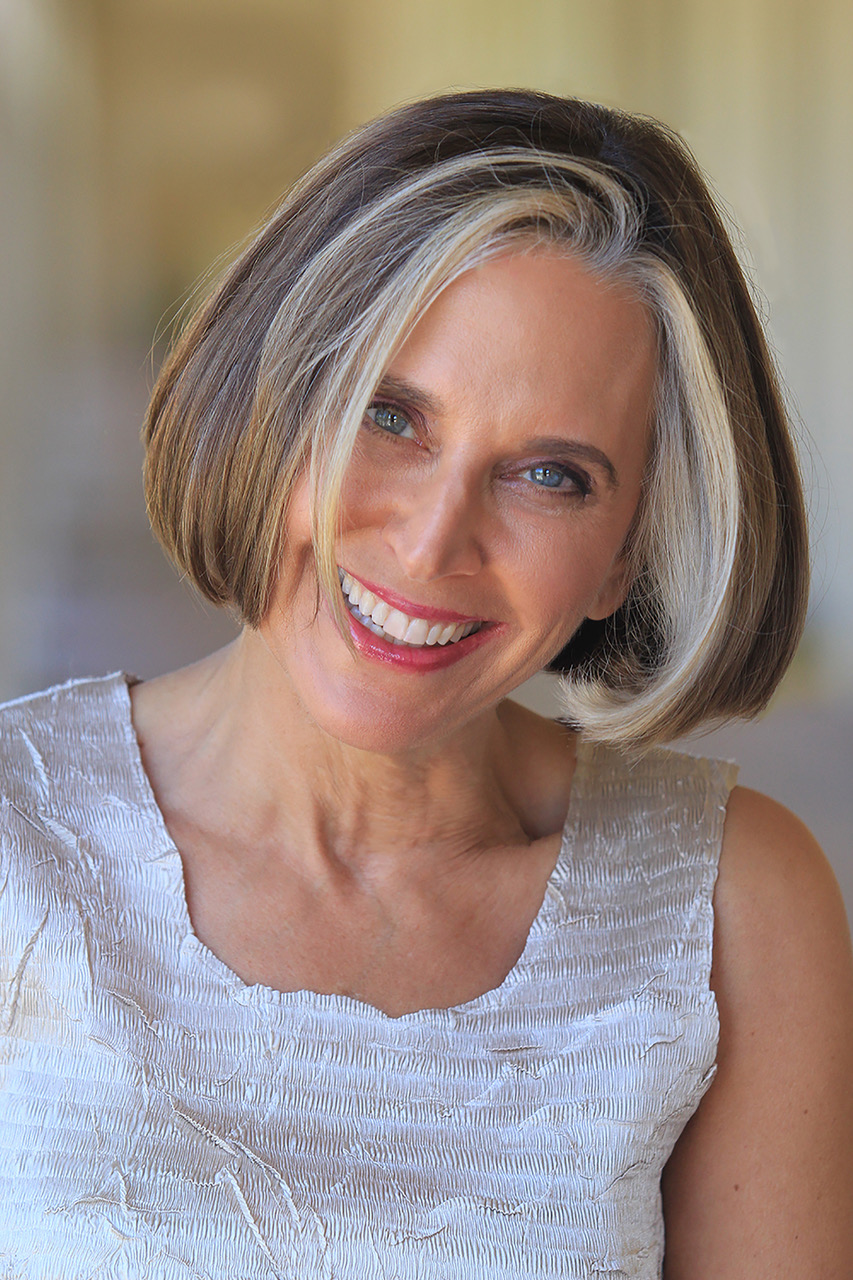
Xanet Pailet, author of the new book, Living an Orgasmic Life, is a recovered NYC health care lawyer who lived in a sexless marriage for over two decades.  After experiencing her own sexual healing and awakening in 2011, she transitioned her career into a full-time sex and intimacy educator and coach.  She offers 1:1 coaching and online group programs to empower women around their sexuality and strengthen couples’ relationship and intimacy skills.

Xanet is a certified Somatica Sex and Intimacy Coach, Sexological Body Worker, Holistic Pelvic Care Practitioner, Tantra Educator and is trauma trained in Somatic Experiencing. She is on the faculty of the Ecstatic Living Institute and the Somatica Institute.

December 3, 2018

Understanding Your Sexual Blueprint


This month, Xanet Pailet joins us to share about the amazing work she is doing to support survivors of sexual abuse rediscover themselves, awaken their pleasure, and reconnect with their desire and sexuality. Not only is Xanet an expert in this field, she is also counted as one of my dearest friends. This is a not to be missed series! And be sure to check out her new book too!


---
I truly believe you can learn about your future by looking at your past. Every time I start working with a client, we spend time exploring their views on sex, intimacy, how they were raised, life experiences, and the world views that surround them. Their upbringing and life worldview can consciously or subconsciously color the way they view intimacy, and that will invariably influence their relationships.

The various messages we receive growing up and throughout life can really impact our view on sex and intimacy. For most people there is a layer of shame, sometimes two feet deep, that can have a profound impact on their sex life.

In my new book, Living an Orgasmic Life: Heal Yourself and Awaken Your Pleasure, I devote an entire chapter to shame, which I call "The Nastiest Five Letter Word in the Universe". Shame is so insidious that we feel shame even talking about shame. It’s rarely brought up, except maybe in the context of therapy.

But shame creeps up constantly in our lives. Rarely does a client walk through my door without shouldering a boatload of shame.

This shame can stem from a variety of experiences, subconscious world views, our environment and even the way we saw our parents express intimacy towards each other.

Here are a few examples of some common ‘pain’ areas most of us have experienced. If these sound familiar to you, know that you are not alone and this is the first step to reaching your full pleasure potential!

For women: We are programmed to say no to sex. We are told to "keep our legs shut" and to always be wary of boys because they only ever want one thing. Girls who are sexually active are also slut-shamed, most commonly by other girls  

These messages disconnect us from our body and our own healthy desire for sexual intimacy.

For men: Unlike women, most men are encouraged to sow their wild oats as long as they "always use protection" and "don’t get her pregnant". This mentality encourages the objectification of women, which makes it harder for a man to create intimacy and appreciate a woman for characteristics besides her looks or how good she is in bed.

For everyone: We all receive negative messages about our body which also impacts our sexuality. Too big or too small sex organs, breasts, and butts. Discomfort with looking at our own naked bodies. Feeling that we are too tall, too short, too thin or too fat. This makes us feel not good enough and not desirable by another.

These common influences are both powerful and harmful, and most of the time completely unconscious. But you have to understand where your shame and intimacy world views come from in order for you to move forward.

That is why I work with all my clients to help them figure out their Sexual
Blueprint. Think about it like an architectural plan. It shows all the details of how a house is built and what goes into it.

Much like those plans, you have a blueprint that is comprised of all your life experiences, like the examples above, that make up your sense of self as a sexual being. The elements include:
  • Messages you received about sex as a child from parents, other adults, and society
  • Early childhood sexual exploration with yourself and/or others
  • Your first sexual experiences
  • Relationships with your Mother and Father or primary caregiver
  • Seminal Events that impacted your Body Image
  • Religious Ideology or Indoctrination
In my book, I provide a guide and a series of exercises to help you understand and interpret your own sexual blueprint. I even give you some suggestions to help you normalize shame, including sharing your sexual blueprint with a friend or a partner.

I also share my own shame stories and those of my clients so that you will see that you’re not alone and likely share many similar experiences. Getting familiar and comfortable with your shame is the most important step towards healing it and realizing your full pleasure and intimacy potential.  

Let’s get you living your fullest pleasure potential!


Read Part 2: Ancient Cultures Were Sex Positive! Why Are We Sex-Negative Now?


----
Xanet Pailet, author of the new book, Living an Orgasmic Life, is a recovered NYC health care lawyer who lived in a sexless marriage for over two decades.  After experiencing her own sexual healing and awakening in 2011, she transitioned her career into a full-time sex and intimacy educator and coach.  She offers 1:1 coaching and online group programs to empower women around their sexuality and strengthen couples’ relationship and intimacy skills.

Xanet is a certified Somatica Sex and Intimacy Coach, Sexological Body Worker, Holistic Pelvic Care Practitioner, Tantra Educator and is trauma trained in Somatic Experiencing. She is on the faculty of the Ecstatic Living Institute and the Somatica Institute.

November 27, 2018

Abandonment: Revealing


This week, Anne Lauren concludes her series on abandonment by exploring the importance of "recovery time outs" and what it's like to find purpose in the midst of healing.


---

It’s 8AM and I’m sitting on a dock in Maine overlooking the water all by myself, family still sleeping in the house just on top of the hill, while I drink coffee and process my gratitude for life. I was invited here by a friend. His family has had these homes for generations. My presence here is my contribution, nothing else is expected of me. No catch; just kind, supportive people sharing their abundance with me, helping me to understand my own value. This place represents a time of arrival. I did it- my metaphorical jet ski landed me here after somehow finding the resources I needed and the direction of travel. Running is no longer necessary, the cycle of abandonment over, the bottle of the barrel found, now what?

One year ago I quit my corporate job to pursue a life aligned with my passions and supportive of my health. I had a month and half to find a new job. Thanks to my developed family, I have extended this journey to one year. In this year, I have made less money than I have since getting my first job and experienced more than I could have imagined. I lived in a house on the beach for three months, I was invited to go to El Salvador with a friend for free, I was asked to be a live-in-nanny for the summer in Washington DC, and I had the opportunity to visit Portland, New York, and Boston to see if I wanted to live there- I don’t. I stayed in Maine and North Carolina for free to visit friends.

In this year of surprising abundance, I have also had the opportunity to recover from recovery. I needed time for my identity to shift from a survivor to a thriver, I needed time for my brain to break the cycle of stress of the last 32 years, I needed time for my body to rest from the constant running, abandonment processing, and barrel searching, I needed time to learn to love myself and honor my story even if it wasn’t what I wanted. And now, I am find confidence in who I am and in what I want to move forward.

I want to be an incest recovery writer and speaker. I want to support other people who have been through what I’ve been through, help them to see the light at the end of the tunnel, and provide the resources to follow it. I want to help create better policy, resources, and social support around incest survival and mental health. But it took me the entirety of this year to embrace this work.

After #MeToo went viral nearly one year ago, I was enraged to learn that so many beloved women in my circle had also been victims. As their repressed stories surfaced, so did my desire to support them. I decided that I wanted to share my story publicly on a broader platform. I reached out to other survivors who were writing about their experiences and discussed my fear of retaliation from my abusers. They advised me to own my power and to tell my truth. So, I did. I started a blog called Blue&Lavender which shares the wisdom gained from my wounds of childhood incest and illness and how I recovered from both. I began writing articles for other publishers to build my platform. Eventually, people started to reach out to me for more opportunities to share my story and I am doing so.


After about six months of consistent writing, I started to doubt this passion as my future path. My entire 32 years of life up to this point had been devoted to surviving and recovering from abuse, why am I now choosing to devote these next years to this work? I let myself take the work at my own pace, slowed down my writing, and allowed myself to be nourished. I was invited to attend the SheRecovers conference in LA, an all female community devoted to the support of women recovering from anything - abuse, addiction, eating disorders, codependency, etc.

At this conference I met all kinds of women. Without ego or competition, they shared their stories just to help out the next woman in the room. I attended a gala and thought- this is what recovery looks like now- my years of horror, loneliness, puking, and purging of memories were over, recovery now would be about support, admiration and helping the next survivor become a thriver. No one is abandoned here, no one is expected to do this work alone. I also noticed at this conference the hesitation that some still had around talking about sexual abuse. This reservation only fueled my fire: I’m ready to talk about it and am going to. So here I am talking about it, writing about how I recovered from incest and the abandonment associated with it.

My first blog post started on a dock running away from the abuse and abandonment of my past, and on a dock I sit now celebrating my arrival to a place of safety and fulfillment. Legs over the wood, feet touching the cool water, a cup of Joe nourishing me, a family waiting for me, and this work awakening within. I can’t do it alone and I know that I don’t have to.

Please, reach out and join me in ending the epidemic of sexual violence and beginning healing in our communities. We can do this together.    


---
Anne Lauren is a word weaver, a woman warrior, and a wisdom wayfinder. She authors the blog, Blue&Lavender, which speaks of her experience recovering from incest and illness and seeks to educate and inspire others to do so. She runs her own coaching program, speaks publicly about her experience, and publishes writings to spread her hope for healing. Check out her blog at www.bluandlav.com. She can also be found on Facebook, Twitter, and Medium @BlueandLavender and on Instagram @Blue_and_Lavender.


November 20, 2018

Abandonment: Recovering


This week, Anne Lauren continues her series on abandonment and shares what her path to recovering was like, especially her search for the "bottom of the healing barrel"


---

It was my second business trip to New York that year and I was just starting to feel it: the joy, the freedom, and the energy won from years of difficult recovery work. My plan this particular day was to visit the World Trade Center Memorial.

I approached the waterfalls in awe. Two square holes left in the ground from where the two demolished buildings used to stand. Many feet wide and even more feet deep. Names of victims of the terrorist attack etched around the perimeters, I ran my hand over them. I then made my way into the museum. Original banisters stood tall and proud inside this symbolic mausoleum, the names of victims and their life stories shown within a room of TV screens. A simple touch of each screen yielded the life of every individual who passed, their deepest loves, who they belonged to, etc.

I exited the museum, passed by the waterfalls once again, then headed into the new tower. I waited in line for what seemed to be forever as more TV screens lining the walls spoke of personal accounts of those who had the opportunity to work on building the new project and what it meant to them. I entered the elevator and the expansion and changes of New York City appeared before my eyes through more screens that lined the elevator walls: the closer I got to the top, the more the images before me mirrored the New York that I was visiting that day.

The elevator rang at my arrival, the doors opened, and I stepped out to see the most spectacular view. New York, New Jersey, the Statue of Liberty, the Hudson River, the Empire state building could all be seen from the height that I stood. I sat down and cried. What beauty had been born from such brutality.

I often heard myself telling friends that I was waiting to find the bottom of the recovery barrel. For nearly 10 years I had been clearing, cleaning, and clinging to a barrel full of traumatic memories, unprocessed abandonment, and the hope to carry on. But where indeed was the bottom of the barrel? Did it even exist? Can incest and illness be recovered from or do the physical and psychological consequences just become chronic diseases that need to be managed? Can I ever let go of being abandoned by my father, my mother, my brothers, my government? I didn’t know the answers to these questions, so I continued to exhaust myself while running away from abuse and desperately searching for the bottom of that barrel.

Recovering from abandonment caused by sexual violence feels impossible. I still did it. I’m not going to pretend that there’s a magical, easy way to succeed. I’m not going to write a list of steps to follow so others can also succeed in doing so. It’s too simple. Instead, I’m just going to talk about how I did it, write about how I did it, live all the lessons that I learned in doing it and hopefully my story will be used to encourage others trying to recover to keep trying.

When my body shut down when I was 22, I knew that I had hit rock bottom. I couldn’t take care of myself and no one I knew could take care of me without the consequence of enduring more abuse. I knew that I wouldn’t survive long in the state that I was in, so I sought medical assistance. The problem was I didn’t know about the trauma yet. I had repressed the memories of sexual abuse. The abandonment issues were still normal to me. I didn’t know any better. I was diagnosed with anxiety and depression, but without understanding the root cause, it was difficult for doctors to come up solutions. So I tried the general ones: I went on mental medication, I wrote down 5 things I was grateful for everyday, and I saw my first therapist.

My first lesson from my first therapist was that sometimes it’s hard to find the right one. It was always nice talking to her, but she seemed to talk more than I did during our sessions. She told me stories of her life, when I was trying to recover my own stories. I didn’t seem to be finding it helpful. Then I met a new therapist who suited me for a time. She taught me about basic boundaries. I felt responsible for solving my family’s problems, but with her learned that they needed to take care of themselves and I could distance myself.  

Eventually I went to graduate school miles away from home and met my next counselor. She taught me to be strong; to stop engaging my family all together. There was no room in my life for what they offered me. She gave me the freedom to cut them out. So I did. It wasn’t supposed to be permanent. It was just going to be for a little while. I needed a some space to process that I had been a victim of sexual violence, but my space was never honored.

I received daily phone calls from parents, siblings, grandparents, and friends of parents reminding me of my responsibilities to take care of the family. I let their calls go to voicemail with no intent of returning them. I was sent gifts and money to bribe me to come home. I donated it all. Finally, my mother showed up uninvited to my graduation. Here, I had had enough. I changed my phone number, blocked them from my emails, and never let them know where I was living ever again. The planned temporary space became permanent.


In this new safe space I could finally heal. But I was still at the top of the barrel, completely exhausted, with so much work ahead of me. I was in 60k worth of debt, had just received a degree from a church I no longer wanted to work for, had no money in my bank account and needed to replenish. So I got the best job I could and started building.

New healing modalities became more available to me as my income increased. At the advice of a few mentors, I began EMDR and acupuncture. My brain needed to be rewired, the abused child raised again, and my body needed release from years of toxic energy. Each day I woke up, got dressed, finished my responsibilities at work, returned home, and laid on my furniture-less floor processing memories, letting my body rest, and trying to make sense of years of unprocessed trauma. Some days the fatigue was so bad I could barely get out of bed, some days the triggers were so traumatic that I would spend most of the workday on the bathroom floor crying, some days the retrieved memories were so horrible that I would literally throw up while revisiting the horror of what I went through at such a young age. Everyday my body purged more and more as I ran away from the abusive environment and tried desperately to build a better life. I could hardly eat, I couldn’t sleep, and as much as a 20 minute walk exhausted me. I was so tired and had so much work to do.

My job kept me stable but didn’t suit me. After two years, the stability gave me the confidence to try something new. I wanted to be an artist, so I applied and started as an interior designer at furniture store. I succeeded quickly and my confidence grew. I began to focus more on what I enjoyed and engaged simple things like eating lunch in the sunshine or choosing to live near the ocean. Life became more lovely, but I still felt isolated and lonely.

My body was getting stronger, and I wanted to start exercising again. I learned of a co-ed water polo team that practiced near my apartment and was introduced to a new and incredibly supportive community. There I was allowed to be angry, I was honored for being a strong, vocal woman, I was admired for my natural abilities. I had a lot of emotional energy and let it out in the pool without complaint from my mostly male teammates. They were sensitive and sweet- played competitive but never hard enough to hurt me: an entire community of men supporting my healing and commitment to never causing me harm.

This team was also full of women who became my best friends. Women who honored my progress, supported my journey, and saw the best in me when I didn’t see it in myself. New family was being created on that pool deck as we squatted and swam and shot balls into goals. They restored normalcy to my life: invited me to holiday dinners, family events, and even took me on vacation. They helped me to understand what family life should have been like, what love without strings attached felt like, and how freedom to be myself while learning in a safe environment gave me the possibility to grow. They broke the chains of abandonment tied by my own family and gave me hope for the future.

Eventually, recovery led me to the top of the World Trade Center where the beautiful and the broken could not be extricated, where trauma and triumph were strongly bound together, where past and present met in a state of absolute wonder. The barrel may not have a bottom but it didn’t seem to matter there. I was above it all now, standing at 1300 ft, safe from abuse and abandonment and looking out at a future of possibility.

Where would I go from here?


---
Anne Lauren is a word weaver, a woman warrior, and a wisdom wayfinder. She authors the blog, Blue&Lavender, which speaks of her experience recovering from incest and illness and seeks to educate and inspire others to do so. She runs her own coaching program, speaks publicly about her experience, and publishes writings to spread her hope for healing. Check out her blog at www.bluandlav.com. She can also be found on Facebook, Twitter, and Medium @BlueandLavender and on Instagram @Blue_and_Lavender.


November 13, 2018

Abandonment: Remembering


This week, Anne Lauren shares how growing up in a home with a narcissist father who sexually abused her and detached mother fostered feelings of abandonment.

---

It was dark outside. I was trying to move into the fast lane on a busy Southern CA freeway. My friend sat in the passenger seat as we headed to water polo practice. My blinker clicked, clicked, and clicked as I waited for the large car to pass by. Suddenly, I looked ahead and the car in front of me was at a dead stop. I slammed on my breaks, crossed my arm over my friend’s chest, and rammed the back of the car. His car hit the car in front of him accordianing his sedan. The cops arrived on the scene and stopped traffic so that we could all pull over onto the side of the highway. Everyone exited their vehicles uninjured.

Soon after my father arrived in a fury. His little Porsche Boxter whipped to the side of the road. He approached me madly, yelled at me for hitting the car in front of me on accident, and then abandoned me. He left me there: a 16 year old girl, on the side of the road with my friend, a police officer, and two men both whom I had hit in the middle of the night. My friend’s mother picked us up and drove me home. As soon as I arrived my dad sat me down and started yelling at me: apparently he could be sued and lose everything. My mother sat idly by observing all that occurred.

Being the daughter of a narcissistic father and a codependent mother made for a challenging development. Everything was about him; any attempt to seek independence was squashed by her. Additionally, I was born with a digestive disease and also had epileptic seizures until I was 5. My health was sensitive throughout my life and by the time I was 22, my body shut down. It wasn’t until I was 24 that the memories resurfaced: the frequent instances of sexual abuse by my father, my grandfather, and my uncle.

My first memory was at 2, I can’t really recall when the abuse stopped. I used the same coping mechanisms as many childhood trauma survivors do: repression, forgetfulness,  dissociation- I ran away from myself, abandoned my memory. I held their secrets, their shame, their need for release inside my body and slowly it poisoned me. My silence was my main source of survival- if I told, I would be killed. I was the great protector, of myself, of my family. I was a child.

When the memories resurfaced I asked my mother for space so I could simply process the new information swirling inside my head. Her codependency was more important than my need, so space was not granted. Sadly, what began as a temporary need became a permanent reality, I haven’t seen or spoken to her since. She knows what happened. She chose to stay with him. Again, I was abandoned.

It is far too common for incest survivors to be betrayed by their own families. The narcissistic abuser holds so much control over the lives of the family members, that the stories of the victim don’t matter. I’m not convinced anyone in my family actually believes what happened to me. I am in relationship with a few of them under the condition that they respect my boundaries: don’t share my contact information or my location with my parents. I am in a state of constant hiding.

I can’t pursue justice. Statute of limitation laws rob me of my right to criminalize my abusers. Apparently, it took too long for the memories to resurface and even longer for me to have the courage to take them to the police for justice to be pursued. When I finally did, I was rudely reminded of the statue of the limitations. I demanded to speak to an officer and after a long period of waiting gave my testimony. When I followed up, there were no notes about what had been done about my case. I was told to trust that the officers had done their job. But why would I believe that? No authority figure had ever done their job.

I ran away, abandoned myself to survive the abandonment of his paternal responsibility to protect my body and being, her maternal responsibility to teach me to use my voice and own my power, my family’s responsibility to stand by me when injustice arose, the state’s responsibility to enact justice. I abandoned myself because I had been abandoned so many other times. He left me on the side of the road, she sat idly by, no one defended me.

What else was I to do but run like hell?


---
Anne Lauren is a word weaver, a woman warrior, and a wisdom wayfinder. She authors the blog, Blue&Lavender, which speaks of her experience recovering from incest and illness and seeks to educate and inspire others to do so. She runs her own coaching program, speaks publicly about her experience, and publishes writings to spread her hope for healing. Check out her blog at www.bluandlav.com. She can also be found on Facebook, Twitter, and Medium @BlueandLavender and on Instagram @Blue_and_Lavender.


Sign up for my free guide so you can stop spinning your wheels and instead navigate your way through each stage of recovery with ease and clarity. Get the support you need today