
I recently had the pleasure of connecting with Josephine McKinney, a truly inspiring woman whose life and work are deeply rooted in faith, creativity, healing, and service. Raised in California’s East Bay and now living in the Central Valley, she has spent years encouraging and supporting others through ministry, community outreach, writing, music, teaching Bible study, and even cooking - bringing people together in meaningful and heartfelt ways.
As we began talking, I was immediately struck by her warmth, resilience, and the beautiful way creativity has been woven throughout her healing journey. What began as writing poetry in her late teens during a difficult season became both an outlet and a lifeline - and continues to shape the way she connects with and uplifts others today. I’m so grateful to introduce you to her and share a little of her story with you.
---
RACHEL: What inspired you to start writing about/exploring this topic?
JOSEPHINE: When I found myself trying to survive one of the most traumatic moments of my life, I realized just how much I had kept buried for years. I carried a heavy mixture of guilt, shame, embarrassment, and silence, and for a long time, I struggled to process what had happened to me. As someone who has always loved reading and learning, I naturally began searching for books, workbooks, and faith-based resources that could help me heal while still holding onto my relationship with God.
What shocked me was how difficult those resources were to find within the faith community. I found many conversations centered around "purity" but very little that spoke directly to the pain, confusion, and healing journey of surviving s*xual assault and harassment in the church. I knew I could not have been the only person feeling unseen in that space.
That realization is what gave birth to When My Brother Touched Me: A Look at S*xual Assault and Harassment in the Church. Writing became both an act of necessity and a part of my own healing journey. My prayer is that through sharing my story, others will feel less alone, find the courage to heal, and experience freedom through truth.
RACHEL: What key insights or lessons have you learned through your experiences with this subject?
JOSEPHINE: One of the most important lessons I've learned through this journey is that forgiveness is far deeper than simply saying, "I forgive you." Real forgiveness began when I stopped seeing myself only through the lens of shame and started extending grace to the broken version of myself that was trying to survive. For a long time, I carried guilt for what happened to me. I replayed every decision, every red flag, every moment I stayed silent, and I condemned myself long before anyone else had the chance to.
What I eventually learned is that accountability and self-hatred are not the same thing. I could acknowledge where I ignored warning signs or stayed trapped in unhealthy cycles without taking responsibility for the abuse itself. That distinction changed my life. Once I began forgiving myself, I no longer needed to stay chained to bitterness toward the men who hurt me. Forgiveness became less about excusing them and more about freeing myself. I realized I could remember what happened without allowing it to own me. That freedom became a major part of my healing journey and my relationship with God.
RACHEL: What challenges do you think people face when dealing with this topic and how can they overcome them?
JOSEPHINE: One of the biggest challenges people face when dealing with s*xual assault and harassment, especially within the Church, is the discomfort that comes with confronting hard truths. In many faith communities, there's often a strong desire to protect the image of the church, preserve leadership, and avoid conversations that feel divisive or "too heavy"! But as I discuss in When My Brother Touched Me: A Look at S*xual Assault and Harassment in the Church, silence does not protect people, it protects patterns.
Many survivors struggle to speak because they fear shame, disbelief, gossip, or being blamed for what happened to them. And many churches struggle because they've never been taught how to respond to these situations in a trauma-informed and compassionate way. Unfortunately, discomfort often causes people to minimize pain instead of making space for healing.
I believe overcoming this begins with courage and education. We have to create environments where truth and grace can coexist, where survivors are listened to without judgment, and where accountability is seen as an act of love rather than an attack. Healing starts when we stop avoiding the conversation and begin responding with honesty, wisdom, and compassion.

RACHEL: Are there any common myths or misunderstandings about this topic that you'd like to address?
JOSEPHINE: As I discuss in Chapter 4 of my book, one of the most dangerous misconceptions surrounding abuse is the belief that only children or young girls are vulnerable to grooming and exploitation. The reality is that abuse can happen to anyone across the lifespan, from infancy to the elderly. Vulnerability is a human condition, not an age category.
Perpetrators often look less at someone's age or gender and more at emotional need, access, isolation, trust, insecurity, or the desire for affirmation and belonging. Men and boys can be groomed and abused just as women and girls can, yet many suffer silently because society and even faith communities often overlook their experiences. Likewise, adults are frequently dismissed because people assume maturity automatically protects someone from manipulation.
Grooming is often subtle and relational. It can happen through mentorship, spiritual authority, emotional dependency, secrecy, or gradually crossed boundaries. That is why these conversations are so important. We cannot truly protect people if our understanding of abuse remains narrow or incomplete.
RACHEL: What resources, tools, or next steps would you recommend for readers who want to dive deeper into this topic?
JOSEPHINE: One resource I highly recommend is RAINN (Rape, Abuse & Incest National Network). Their 24-hour National S*xual Assault Hotline, 1-800-656-4673, as well as their online chat support, became a tremendous source of support and education for me during my own healing journey long before I ever found the strength to write When My Brother Touched Me: A Look at S*xual Assault and Harassment in the Church. RAINN offers compassionate support, educational resources, safety information, and guidance for survivors and loved ones navigating the effects of s*xual violence.
For those wanting to continue deeper conversations around healing and faith, my book is currently available alongside two upcoming companion workbooks. The first, The Work of Healing, is a survivor-focused workbook designed to help individuals process trauma, reflect honestly, and move toward healing through guided exercises, journaling, and faith-centered encouragement. The second, A Blueprint for Cultivating Safer Sanctuaries, is a leadership workbook created to help churches and ministry leaders build safer, more informed, and trauma-conscious faith communities.
My Book, Resources as well as My workbooks can be found at www.BalancewithJosephine.com by navigating to the Purified for Purpose Publishing Co. page.
---
What I appreciate so much about Josephine's story is the courage it takes to speak honestly about something so many people have been taught to keep silent. There is such power in the way she names both the pain and the healing - especially the distinction between accountability and self-hatred. I know so many survivors carry shame for things that were never theirs to carry, and her words offer such an important reminder: healing begins when we stop abandoning ourselves in the aftermath of what happened.
I also deeply resonate with her call for truth and compassion to coexist. Silence does not create safety. Honest, trauma-informed conversations do. My hope is that her story helps others feel less alone and reminds anyone struggling that healing, freedom, and self-compassion are possible.
To raising our voices,
Rachel

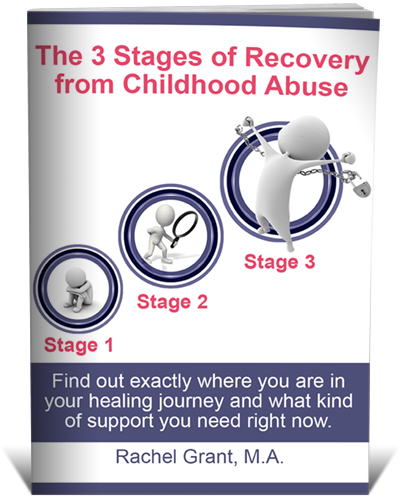
P.S. If you're ready to take the next step in healing from abuse and would like to explore enrolling in the Beyond Surviving program, start by applying for a Discover Your Genuine Self Session.
RESOURCE OF THE MONTH
1in6, a program of Zero Abuse Project, helps men who have had unwanted or abusive s*xual experiences live healthier, happier lives by providing information and support resources online including clinically-facilitated, anonymous, chat-based online support groups for male survivors each and every week.
In addition, The Bristlecone Project - inspired by Bristlecone pines that exist in the harshest possible conditions yet survive and thrive for thousands of years - is 1in6's vast video library bringing the stories of countless men across the world to the online community of survivors.
The contributors are a courageous group of men who are unwilling to be silenced by stigma and shame, and shine a bright light on some of the darkest corners of our world through the resilience and hope of their lived experience.
I am so glad to highlight their work and will be bringing you more this coming Fall!
UPCOMING EVENTS
brought to you in partnership with CPTSD Foundation
We’ll explore the many reasons it’s so difficult to break the silence including the many negative messages we receive about ourselves and how to find our voice.

I’m honored to be speaking on June 13 at 10:30a PT, alongside other incredible voices supporting parents and families.
This is a free virtual event and you can join live here:
June 13
Facebook: Watch on Facebook
YouTube: Watch on YouTube
June 14
Facebook: Watch on Facebook
YouTube: Watch on YouTube


No comments:
Post a Comment